Source Custom Advent Calendar for Office Gifts, Home Decor, and Promotions
Source 30 custom Advent Calendar options for office gifts, home decoration, and promotional events. Compare spiral-bound paper, canvas, and tear-off styles with A3 or custom sizes. Find suppliers in China offering matte or glossy lamination and low MOQs starting from 50 pieces.
Key considerations
Products List


Christmas Advent Calendar Packaging Boxgift Advent Calendar Present Boxadvent
$3.00 - $9.00
MOQ: 300 Pieces



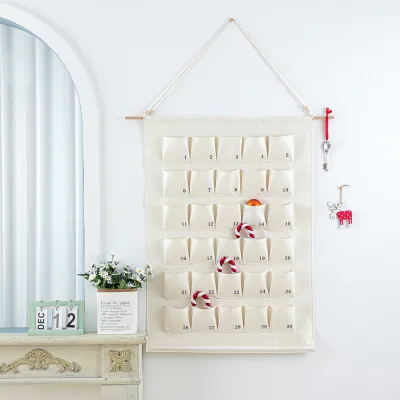
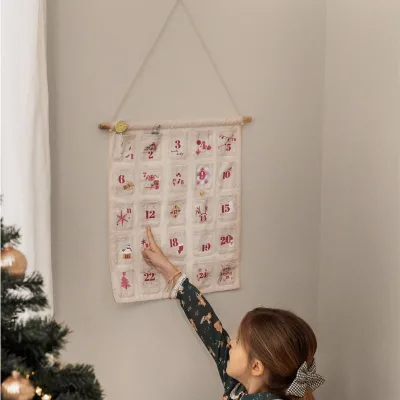
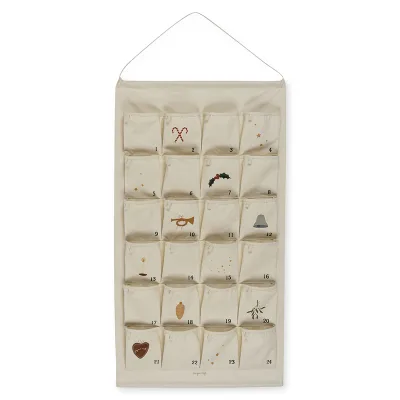

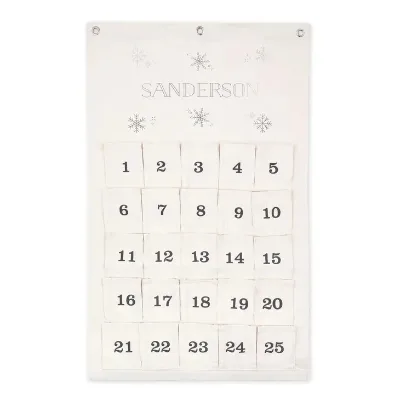


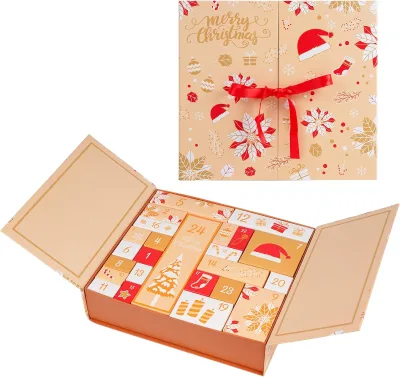
Book Gift Paper Box Luxury Custom Advent Calendar Box Advent Calendar Book
$3.44 - $4.10
MOQ: 2000 Pieces



Comprehensive Sourcing Guide
Advent Calendar Sourcing Guide
Procuring advent calendars requires distinguishing between traditional paper-based tear-off designs and modern decorative variants that serve dual purposes as office gifts or home decorations. The observed market data indicates a strong presence of spiral-bound paper calendars alongside canvas options, suggesting buyers must clarify the intended display method before requesting samples. While some listings highlight specific models like H-007 or LY-CD05, the core functionality remains consistent: providing a daily countdown mechanism that integrates seamlessly into festive office or home environments.
Buyers should prioritize suppliers who explicitly confirm customization capabilities for both design and structural elements, as the majority of observed listings offer tailored solutions for branding. The availability of matte or glossy lamination finishes allows for significant aesthetic differentiation, which is critical for promotional campaigns targeting specific demographics. Understanding whether the product is intended as a luxury item or a standard promotional tool will dictate the necessary material selection and finishing processes required to meet brand standards.
Product Scope and Observed Listing Signals
The current market landscape for advent calendars features a diverse range of formats, including desk calendars, wall calendars, and daily tear-off styles that cater to varied display preferences. Observed product attributes reveal that many suppliers offer spiral binding for desk models, while others provide canvas or paper constructions suitable for hanging displays. This variety necessitates a clear definition of the target usage scenario, whether it is for corporate gifting, retail promotion, or personal home decoration, to ensure the selected product aligns with the intended application.
Listing signals indicate that customization is a dominant feature, with many suppliers accepting custom designs and offering flexible packaging options such as OPP bags or custom boxes. The presence of specific model numbers like H-003 and OEM designations suggests that buyers can source both standardized and bespoke products, though the latter requires more detailed specification communication. Buyers must verify if the observed "luxury" classification applies to the specific item they are evaluating, as this designation often correlates with higher material costs and more intricate finishing processes.
Technical Specifications to Verify
When evaluating technical specifications, the material composition is a primary decision point, with paper and canvas being the most frequently observed options in the current supply base. Buyers must confirm the exact paper weight and finish, as the availability of matte or glossy lamination significantly impacts the tactile quality and visual appeal of the final product. Additionally, the binding method, particularly spiral binding for desk calendars, must be verified to ensure durability and ease of use during the daily tearing or flipping process throughout the holiday season.
Dimensional standards and packaging requirements also require strict verification, as observed listings reference A3 standards and specific single package sizes like 30x40x3 cm. These measurements are critical for logistics planning and shelf space allocation, especially when ordering in bulk for retail distribution. Buyers should also confirm the specific model numbers associated with their requested design, as variations in model numbers often correspond to differences in page count, tear-off mechanisms, or structural reinforcements that affect the overall product performance.
Compliance and Safety Documentation
While specific certification data such as FSC or ISO 9001 appears in background knowledge, buyers must explicitly request current compliance documentation from suppliers rather than assuming adherence to these standards. For products intended for children or general consumer use, verifying that the inks and materials used for printing and lamination meet relevant safety regulations is essential to prevent potential liability issues. The absence of explicit certification claims in the observed product facts means that due diligence is required to ensure the supply chain adheres to international safety and environmental standards.
Documentation regarding the origin of materials and the manufacturing location is equally important, as observed listings cite origins in Guangzhou, Guangdong, and Zhejiang, China. Buyers should request proof of origin and any relevant environmental compliance certificates to ensure the products meet the regulatory requirements of their target markets. This verification process helps mitigate risks associated with supply chain transparency and ensures that the final product does not violate import regulations or consumer protection laws in the destination country.
Cost Drivers and Commercial Terms
The commercial terms for advent calendars are heavily influenced by the level of customization and the chosen material, with observed minimum order quantities ranging from 50 to 2000 pieces. Buyers must understand that lower MOQs often come with higher unit costs, while larger orders may unlock volume discounts but require significant upfront capital commitment. The specific model number and design complexity also play a role in pricing, as custom designs and specialized finishes like lamination add to the production cost compared to standard, off-the-shelf options.
Lead times and delivery schedules are critical factors in the procurement process, with observed data indicating a standard delivery time of approximately 15 days for production. However, this timeline can fluctuate based on the complexity of the customization and the current capacity of the supplier. Buyers should negotiate clear delivery terms and confirm the production schedule early in the process to avoid delays that could impact the availability of the calendars during the peak holiday season.
Supplier Qualification and Quality Control
Supplier qualification should focus on verifying their capacity to handle custom orders and their track record for meeting specific design requirements. The observed listings show a variety of suppliers offering custom designs and packing solutions, but buyers must assess their ability to maintain consistency across large production runs. Requesting samples of previous work, particularly for spiral-bound or canvas models, allows buyers to evaluate the quality of binding, printing clarity, and the durability of the materials used in the final product.
Quality control protocols must be established to ensure that the finished advent calendars meet the agreed-upon specifications for size, finish, and functionality. Buyers should implement a pre-shipment inspection process to verify that the products match the approved samples and that there are no defects in the lamination or binding. This step is crucial for maintaining brand reputation and ensuring that the final product delivers a positive experience for the end consumer, especially given the high expectations associated with holiday-themed items.
Long-Term Procurement Checks
Establishing a long-term relationship with a reliable supplier requires ongoing monitoring of performance metrics, including adherence to delivery schedules and consistency in product quality. Buyers should conduct periodic audits or reviews to ensure that the supplier continues to meet the evolving needs of the business, particularly regarding customization capabilities and material sourcing. This proactive approach helps identify potential issues early and allows for adjustments in the procurement strategy before they impact the supply chain.
Future procurement checks should also include an evaluation of the supplier's ability to innovate and adapt to changing market trends, such as new sustainable materials or digital integration features. As the market for advent calendars evolves, maintaining a flexible and responsive supply chain will be essential for staying competitive. Buyers should regularly review their supplier portfolio to ensure they have access to the best options for their specific needs, balancing cost, quality, and reliability to achieve long-term success.
FAQs
Can advent calendars be customized with my own design and branding?
Yes, customization is generally available for Advent Calendar products. Suppliers accept customized designs, colors, and sizes, and finishing options such as matte or glossy lamination can be selected. Buyers typically provide artwork files before production, and customization affects the quoted price and production lead time, so confirm artwork requirements and sample approval steps before placing an order.
What is the minimum order quantity for custom advent calendars?
Minimum order quantities vary by supplier and product style. Listed MOQs in this category range from 50 pieces to 2000 pieces, with some products specifying 300 pieces or 500 pieces as their minimum. Lower quantities usually raise the unit price, while larger runs reduce it. Confirm the exact MOQ for your chosen design, material, and customization level before requesting a quotation.
How long does production take for a custom printed Advent Calendar?
Typical delivery time for the listed products is around 15 days, and one supplier advertises a 5 to 7 day production window for certain calendar items. Actual lead time depends on order quantity, customization complexity, and finishing such as lamination. Add extra time for sample confirmation, quality checks, and shipping when planning seasonal inventory schedules.
What materials and formats are used for these advent calendars?
The listed advent calendars are mainly paper-based, with some canvas options available. Formats include desk calendars, wall calendars, and daily tear-off calendars, with spiral binding on some desk styles. Sizes include A3 standards and models around 30 by 40 centimeters. Surface treatments such as matte or glossy lamination improve durability and print appearance.
How are advent calendars packed for shipping?
Common packing is one piece per OPP bag, and customized packing options are also available from some suppliers. Some products list a single package size of 30 by 40 by 3 centimeters, which helps with carton planning and freight estimates. If you need retail-ready packaging, gift boxes, or barcode labels, confirm packing specifications and any extra costs with the supplier before production.
Which Advent Calendar types suit corporate gifts or promotional use?
Advertising and promotional advent calendars are well suited to corporate gifting, and listed usage scenarios include office gifts, home decoration, festival decoration, and gifts generally. Desk calendars with monthly date grids and wall calendar styles work well for branded giveaways. Customized printing lets you feature a logo or campaign artwork, and OPP bag packing keeps units clean until distribution.